
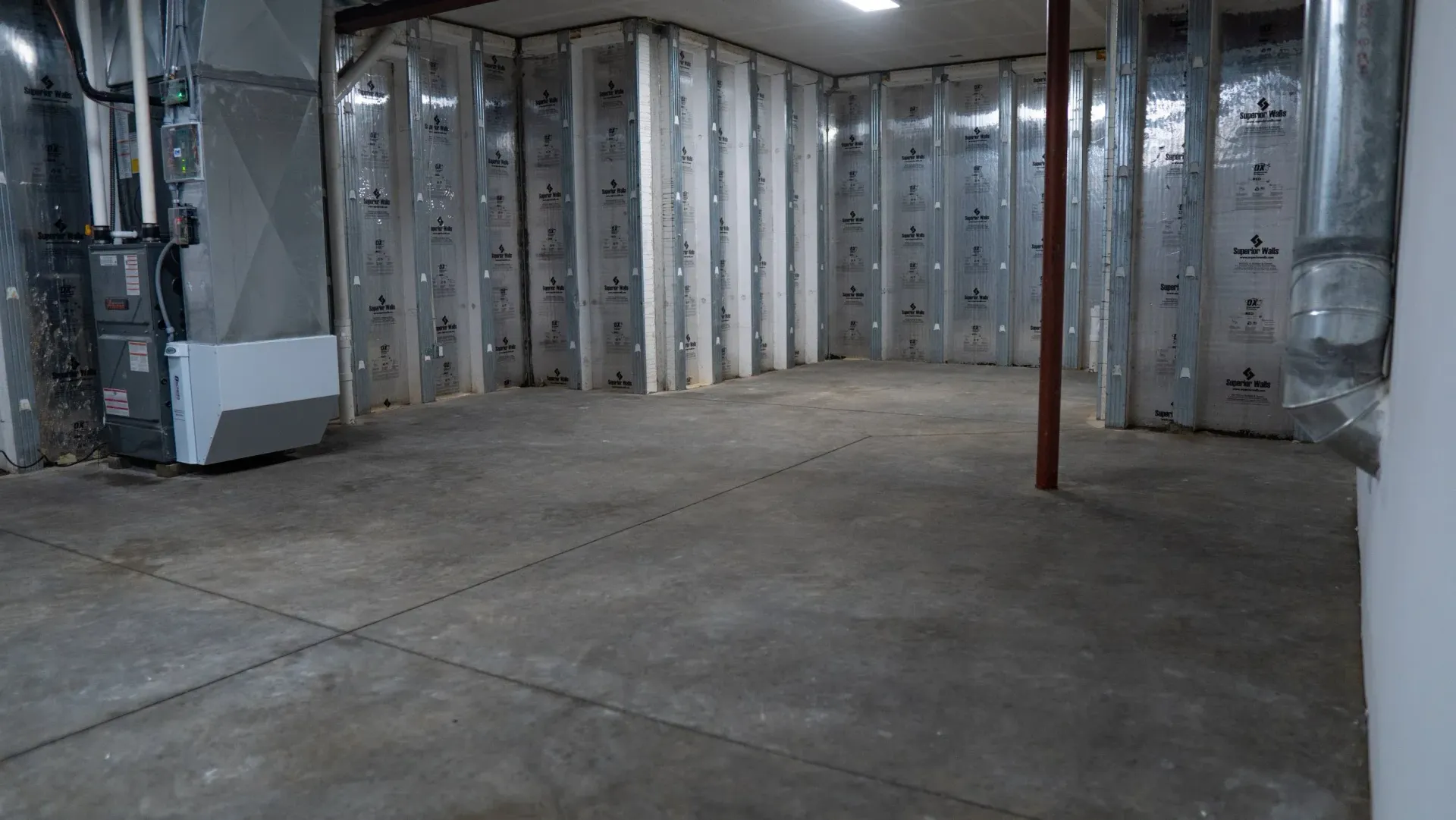
Stop Moisture and Staining at the Surface
Professional concrete sealing services provided by Apex Epoxy Flooring Solutions in Aurora, Ohio.
Unsealed concrete absorbs water, oil, salt, and chemicals that cause staining, surface erosion, and freeze-thaw damage during Aurora winters. Concrete sealing applies a protective layer that blocks moisture penetration, reduces dusting, and makes the surface easier to clean. Apex Epoxy Flooring Solutions applies sealers throughout Aurora and Northeast Ohio using owner-operated installation and surface prep methods that ensure proper adhesion and long-term performance.
The service protects residential driveways, garage floors, basement slabs, commercial parking areas, warehouse floors, and government facility surfaces. The sealer is applied after the concrete is cleaned and prepped, creating a barrier that repels liquids and prevents contaminants from soaking into the pores. With five years of hands-on experience and full insurance coverage, the team tailors each application to the surface type, usage, and exposure conditions.
Schedule a free floor inspection in Aurora to assess your concrete and determine the right sealer for your property.
How sealers protect concrete and what they do not cover
The concrete in Aurora is cleaned with a degreaser or pressure washer to remove oils, dirt, and existing coatings that block penetration. After drying, the sealer is applied with a roller, sprayer, or brush depending on the product type and surface size. Penetrating sealers soak into the concrete and react chemically to block moisture, while topical sealers sit on the surface and form a protective film.
Once cured, you will notice that water beads on the surface instead of soaking in, and oil or chemical spills remain on top for easier cleanup. The concrete no longer sheds dust when swept, and surface erosion from freeze-thaw cycles slows significantly. Sealed concrete also resists staining from tire marks, rust, and organic matter.
Cure time varies by product but typically ranges from four to 12 hours for light foot traffic. Apex Epoxy Flooring Solutions uses premium, locally sourced materials and applies sealers according to manufacturer specifications. The service does not repair cracks, spalling, or structural damage, which must be corrected before sealing to prevent trapped moisture from causing further deterioration.
Before scheduling a sealing service, homeowners and facility managers want to know how long the sealer lasts, what it protects against, and whether their concrete is suitable for treatment.
What property owners ask before sealing concrete
Apex Epoxy Flooring Solutions offers free floor inspections and free estimates for concrete sealing projects in Aurora and surrounding Ohio communities. Contact the team to evaluate your concrete, discuss sealer options, and confirm your surface is ready for treatment.